Results Filter:
- Websites
- Books
- Media
Electronic Outreach re Africa, Latin America and the Middle East
Posted by: mmerryfield on Wednesday, March 3, 2010Many Title VI Centers are developing electronic databases for teachers. Scroll down this page to find several exciting new resources on Africa, Latin America and the Middle East.
A Life Like Mine
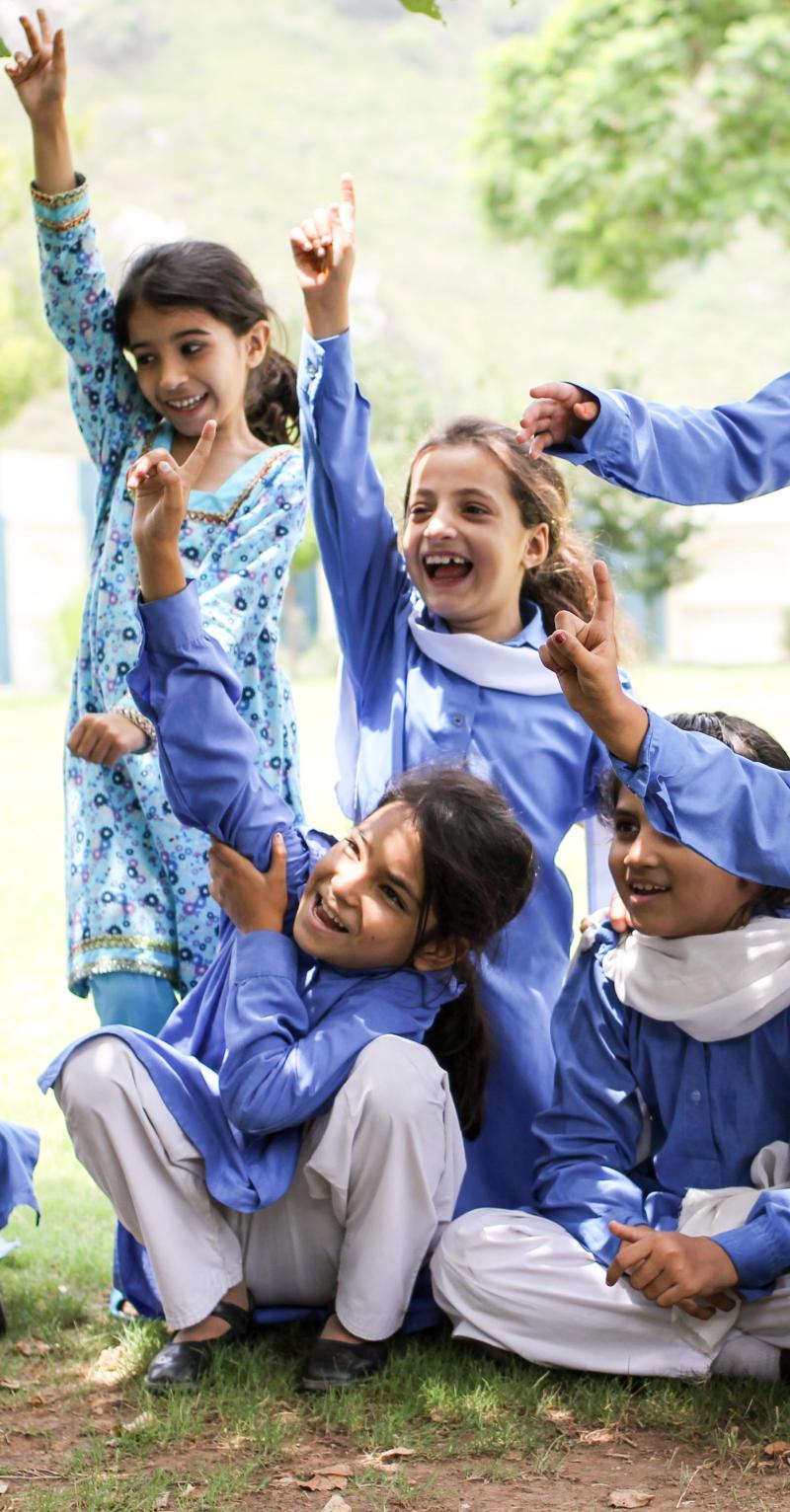
Posted by: mmerryfield onA Life Like Mine tells the story of how children live around the world through four themes: survival, development, protection, participation. Excellent images and text suitable for upper elementary and middle school students. Truly has a global perspective. Includes many visuals and maps.
Is is published by UNICEF.
Deadly Embrace: Nicaragua, the World Bank, and the International Monetary Fund. (1996).
Posted by: admin on Monday, February 8, 2010Recommended because deadly embrace of the video’s title refers to the post-Sandinista government’s acceptance of the structural adjustment policies of the World Bank and IMF, which have devastated Nicaragua’s economy at least from the standpoint of the vast majority of the people. According to the video, unemployment has rocketed to 60%, credit to small farmers has been slashed, public school teachers work in deteriorating conditions for $60 to $70 a month, and public programs of all kinds have been eliminated. Meanwhile, free trade zones welcome transnational corporations who pay pennies an hour to desperate workers.
Review from Rethinking Schools/Rethinking Globalization Resources Page, 07/2002.
Life and Debt. (2001).
Posted by: admin onRecommended because this may be the best video overview of the effects of globalization on one society in this instance, Jamaica. Life and Debt focuses on the role of the International Monetary Fund (IMF) in Jamaica, but it’s much more than that. It weaves together interviews with the IMF deputy director, farmers, workers, scholars, a former Prime Minister (Michael Manley); a narration based on Jamaica Kincaids A Small Place (see p. 54); Jamaican music; life in a tourist hotel; and a kind of Greek chorus of Rastafarian men who comment on Jamaica’s neocolonial plight. The conclusion: Jamaican society has been devastated by high interest payments on its external debt (52% of the entire national budget), cheap imports (potatoes, peanuts, carrots, milk powder, chicken), the WTO ruling forcing Jamaica’s bananas into direct competition with much cheaper bananas from Central and South America, and exploitative practices in Jamaica’s World Bank pushed free zone. (Of course, there are some economic winners: Because of high crime, one security firm featured has gone from 120 guards employed to between 1800 and 1900 guards and over 300 dogs.) It’s this relatively comprehensive video walk through Jamaica’s economy that can help students see the relationship between farm conditions and sweatshops, and provides a partial answer to the sweatshop defense: Well, no one is forcing people to go to work in these places.
Review from Rethinking Schools/Rethinking Globalization Resources Page, 07/2002.
The Debt Crisis: An Unnatural Disaster. (1990).
Posted by: admin onRecommended because this video is a primer on the history and social consequences of the Third World debt crisis and structural adjustment programs, especially focusing on the Caribbean. It has something of a homemade feel to it and lacks the polish that students are used to, but it is a clear and hard-hitting overview of the severe difficulties the debt crisis creates in poor countries. One of the videos strengths is that it is entirely narrated, and the skits acted, by Caribbean people themselves. The Debt Crisis covers much the same ground as Banking on Life and Debt, although its Caribbean focus is narrower. However, the playfulness (some might argue, silliness) of its skits and its concentration on a smaller geographic area probably make this more accessible for many students.
Understanding Spanish-Speaking South Americans.
Posted by: admin onRecommended because this book does a masterful job of weaving the dual threads of Spanish political and religious history, often referred to as the sword and the cross, into a tapestry of cultural insights for these fascinating and diverse countries: personalisimo, class, gender, identity, dignity, the importance of appearances, and more. These insights are then applied to the workplace as well as to personal relationships. The second part of the book has chapters on each of nine countries: Argentina, Bolivia, Chile, Colombia, Ecuador, Paraguay, Peru, Uruguay, and Venezuela. Skye Stephenson is Regional Director, Latin American Programs, and Resident Director, Chile, for the Council on International Educational Exchange (CIEE), based in Santiago, Chile.
Citation: Stephenson, Skye. (2003). Intercultural Press. $29.95.
Where Are the Beans? (1994).
Posted by: admin onRecommended because Where Are the Beans? is a kind of detective story and an excellent classroom resource. Linda Shelly, of the Mennonite Central Committee, lived in La Esperanza, Honduras for several years. While there, she loved to eat red beans, a staple of the Honduran diet. But when she returned in 1993, she found that no one ate beans any longer. Where are the beans? is the question that Shelly pursues as she visits old friends to learn about how their lives have changed. Shelly discovers the answer in the structural adjustment policies that the International Monetary Fund pressed the Honduran government to adopt: fewer subsidies to the poor, currency devaluation, no more government loans to small farmers, and increased exports of … you guessed it: red beans. The small Honduran farmers have been pulled into the global economy pulled in at the bottom, says Shelly. Their new position in this system demands more and more from them and offers them less and less. Review from Rethinking Schools/Rethinking Globalization Resources Page, 07/2002.
Brazil (2002)
Posted by: admin onRecommended because this 48 page book is a part of the “Changing face of…” series. It presents the natural environment and resources, people and culture, and business and economy of Brazil, focusing on change and including first-hand commentary by the country’s citizens. Reviewed by Tim Dove Jan. 2003.
Citation: Parker, Edward. Austin, TX : Raintree Steck-Vaughn ($28.95)ISBN/ISSN: 0739849654
Argentina (2001)
Posted by: admin onRecommended because this 32 page book is a part of the “Faces and Places” series. It describes the history, geography, people, and customs of the South American country, Argentina. Reviewed by Tim Dove Jan. 2003.
Citation: Stevens, Kathryn. Chanhassen, MN: Child’s World ($25.95) ISBN/ISSN: 1567667120
Argentine New Song: The Evolution of Protest Music (1989)
Posted by: admin onRecommended because this Audio cassette is appropriate for students in grades 9-12. Tulane University.
Ventre Livre (1995)
Posted by: admin onRecommended because directed by Ana Luisa Azevedo and produced by Casa de Cinema, Ventre Livre intercuts moving interviews with a range of different women, describing their own experiences with statistics on the poor state of health care for women in Brazil. In Brazil, one of every four women of child-bearing age has been sterilized – often in her teens. And, with no access to other forms of contraception, over two million women resort to illegal abortions every year – leading to an estimated 50,000 deaths. Be aware of the fact that the film deals with mature subject matter. 48 minutes. The film is available for check out at Lord Hall at OSU, and can be purchased for $195.00 through the Latin American, Spanish, and Portuguese Collections at the OSU Library. Reviewed by Stace Rierson, 3/1/02. Kansas.
A View from the Mangrove.
Posted by: admin onRecommended because this is a masterful collection of short stories by a celebrated Cuban writer. Reviewed by Stace Rierson, 3/8/02. NCSS webpage.
Citation: Benitez-Rojo, A. (1998). Amherst: University of Massachusetts Press.
Brazil (2000)
Posted by: admin onRecommended because this 128 page book has illustrations and maps that helps examine the land, people, and history of Brazil and discusses its current state of affairs and place in the world today. It is part of the “Modern nations of the World” series. The book includes bibliographical references and index. Reviewed by Tim Dove Jan. 2003.
Citation: Corona, Laurel. San Diego : Lucent Books ($27.45)ISBN/ISSN: 1560066210
Cuba and the United States: Troubled Neighbors
Posted by: admin onRecommended because it traces the history of relations between Cuba and the United States from the revolutionary war to the present. Illustrated. Reviewed by Stace Rierson, 3/8/02. NCSS webpage.
Citation: Dolan, E., Jr., and Scariano, M. (1987). New York: Franklin Watts.
Favelas (1989)
Posted by: admin onRecommended because this film, directed by Chico Teixeira (color, 50 minutes), takes viewers into the heart of the Brazilian favelas, the slums that spread uncontrollably through Sao Paulo, Brazil’s wealthiest industrial center. The social reality of this cruel habitat is examined by those who dwell there and by artists, philosophers, educators and sociologists. “…portrays the sadness and hopelessness of life in the favelas…could be used as a starting point for discussions on social responsibility and the economic problems of the disadvantaged.” — Video Rating Guide for Libraries”…sensitive…highly recommended.”–Library Journal Be aware of the fact that the video with Portuguese dialogue and English subtitles. LANIC
Gloria Estefan (1995)
Posted by: admin onRecommended because it describes the success story of the talented Cuban singer and songwriter. Reviewed by Stace Rierson, 3/8/02. NCSS webpage.
Citation: Gonzales, D. Springfield, NJ: Enslow Publishers.
Art and Music from Around the World
Posted by: admin onRecommended because it includes arts from Haiti and Cuba. Upper elementary grades. Reviewed by Stace Rierson, 3/8/02. NCSS webpage.
Citation: Billings, M. (1993) North Billerica, MA: Curriculum Associates
Road Well Traveled: Three Generations of Cuban American Women (1988)
Posted by: admin onRecommended because it tells the intriguing stories of women who emigrated from Cuba to the United States and their determination in the face of difficulties. Recommended for grades 9 to college.
Citation: Satterfield, Doran J. and C. Stade. Newton, MA: WEEA Publishing Center.
Timothy and the Cay (1991)
Posted by: admin onRecommended because in this poignant story about overcoming prejudice about race and age, a European American teen depends on the help of an Afro-Caribbean old man for survival. Reviewed by Stace Rierson, 3/8/02. NCSS webpage.
Citation: Taylor, T. Avon Press.
Latin American Visual Art Today
Posted by: admin onRecommended because this slide selection consists of contemporary Latin American art. A 46 page Pre-Collegiate Curriculum Unit for grades six through twelve covering the slides and artists in detail.
Living Traditions: Mexican Popular Arts
Posted by: admin onRecommended because Living Traditions includes essays and photographs of popular Mexican art.
Salsa: Latin Pop Music in the Cities (60 minutes)
Posted by: admin onRecommended because its highlights include performances, interviews, and recording sessions with such stars as Celia Cruz, Tito Puente, Ruben Blades, Charlie Palmieri, Ray Baretto and many more. Kansas.
Ruben Blades: Salsa Singer and Social Activist (1997)
Posted by: admin onRecommended because it traces the life of the talented performer, social activist, and politician. Reviewed by Stace Rierson, 3/8/02. NCSS webpage.
Citation: Cruz, B.C. Springfield, NJ: Enslow Publishers.
Spirits of the High Mesa (1997)
Posted by: admin onRecommended because Growing up in a small town in New Mexico in the 1930s, young Flavio is caught between two cultures when outsiders come to wire the town for electricity. Flavio’s grandfather, a community leader, is strongly opposed to the change because he knows it spells the loss of traditional culture. Sensitive Flavio is able to appreciate both old and new ways, making his life all the more difficult. Recommended for Grades 6-8. Reviewed by Stace Rierson, 3/8/02. Global Education Resources, Indiana University
Citation: Martinez, Floyd. Houston: Arte Publico.
Extraordinary Hispanic Americans (1991)
Posted by: admin onRecommended because this book, reorganized chronologically, profiles the lives of Hispanics who helped shape the history of the United States, from fifteenth-century explorers to twentieth-century writers, entertainers, and politicians. Recommended for grades 6-8. Reviewed by Stace Rierson, 3/8/02. Global Education Resources, Indiana University.
Citation: Sinnott, Susan. Chicago: Children’s Press.
Taking Sides. San Diego (1991)
Posted by: admin onRecommended because fourteen-year-old Lincoln Mendoza, an aspiring basketball player, must come to terms with his divided loyalties when he moves from the Hispanic inner city to a white suburban neighborhood. Glossary of Spanish words and phrases included. Reviewed by Stace Rierson, 3/8/02. Global Education Resources, Indiana University
Citation: Soto, Gary. Harcourt Brace Jovanovich.
Local News. San Diego (1993)
Posted by: admin onRecommended because it is a collection of 13 short stories about the everyday lives of Mexican-American youth in California’s Central Valley. Glossary of Spanish words and phrases included. Recommended for Grades 6-7. Reviewed by Stace Rierson, 3/8/02. Global Education Resources, Indiana University.
Citation: Soto, Gary. Harcourt Brace Jovanovich.
Children of the World (1990)
Posted by: admin onRecommended because each book in this series traces the daily life of a child living in a particular country, in urban and rural settings. Covers countries in Latin America and the Caribbean. Reviewed by Stace Rierson, 3/8/02. NCSS webpage.
Citation: Stevens, G. Milwaukee: G. Stevens Publishing
Notable Hispanic American Women (1993)
Posted by: admin onRecommended because it provides short biographies of famous Hispanic American women. Grades 9-12. Reviewed by Stace Rierson, 3/8/02. Global Education Resources, U-Indiana.
Citation: Telgen, Diane (Editor). Detroit: Gale Press.
The Puerto Ricans (1991)
Posted by: admin onRecommended because it discusses the history, culture, and religion of Puerto Ricans, their place in American society, and the problems they face as an ethnic group in North America. Recommended for grades Slavic and Eastern Europe-7. Reviewed by Stace Rierson, 3/8/02. Global Education Resources, Indiana University.
Citation: Aliotta, Jerome J. Introductory essay by Daniel Patrick Moynihan. The Peoples of North America. New York: Chelsea House Publishers.
Cool Salsa: Bilingual Poems on Growing Up Latino in the United States (1994)
Posted by: admin onRecommended because it is about thirty-seven poems in English and Spanish by contemporary Latino/a writers. Reviewed by Stace Rierson, 3/8/02. Global Education Resources, Indiana University.
Citation: Carlson, Lori M. (Editor) New York: Henry Holt and Company.
The Hispanic Presence in North America from 1492 to Today (1991)
Posted by: admin onRecommended because it is a general historical overview beginning with colonization and a discussion of Hispanic culture is followed by a state-by-state study of the history and influence of Hispanics in the United States. Recommended for grades 6-10. Reviewed by Stace Rierson, 3/8/02. Global Education Resources, Indiana University.
Citation: Fernandez-Shaw, Carlos M. Translated by Alfonso Bertodano Stourton and Others. New York: Facts on File.
People of Corn: A Mayan Story (1995).
Posted by: admin onRecommended because this Mayan creation myth tells how the first people were made of corn. Its beautiful pictures are patterned on ancient Mayan designs. Reviewed by Stace Rierson, 3/8/02. NCSS webpage.
Citation: Gerson, Mary-Joan. Illustrated by Carla Golembe. Boston: Little, Brown and Company.
Under the Breadfruit Tree: Island Poems (1998)
Posted by: admin onRecommended because it is a View from the Mangrove (1998).
Citation: Gunning, M., and F. Vandenbroeck. Honesdale, PA: Boyds Mills Press Poems, infused with Jamaican dialect, about growing up in Jamaica. Reviewed by Stace Rierson, 3/8/02. NCSS webpage.
Tomatoes, Potatoes, Corn, and Beans: How the Foods of the Americas Changed Cooking Around the World (1997)
Posted by: admin onRecommended because this book examines how foods of the New World were spread to other parts of the world by returning explorers. Reviewed by Stace Rierson, 3/8/02. NCSS webpage.
Citation: Johnson, Sylvia. New York: Atheneum Books
Why Does Popcorn Pop? and Other Kitchen Questions (The Question & Answer Storybook Series) (1997)
Posted by: admin onRecommended because this book is perfect for a lively group reading session that might include popping some corn. The questions are ones kids really want answered. Reviewed by Stace Rierson, 3/8/02. NCSS webpage.
Citation: Ripley, Catherine Illustrated by Scot Ritchie. Toronto: Owl Communications.
Carlos and the Cornfield/Carlos y La Milpa de Maiz (1995)
Posted by: admin onRecommended because it is inspired by Latin American folk tales and murals, this story tells of a young boy’s lesson in personal responsibility as he plants and tends his cornfield. The book is bilingual and includes recipes. Reviewed by Stace Rierson, 3/8/02. NCSS webpage.
Citation: Stevens, Jan Romero. Illustrated by Jeanne Arnold Flagstaff: Northland Publishing
Corn is Maize: The Gift of the Indians (1986)
Posted by: admin onRecommended because this book describes how ancient peoples of North America discovered and used corn, and how it later became an important food worldwide. It includes good diagrams and cheerful pictures. Reviewed by Stace Rierson, 3/8/02. NCSS webpage.
Citation: Aliki. New York: Harper Collins.
Festejemos! (1992)
Posted by: admin onRecommended because it is a calendar of holidays, festivals, and commemorative events. All ages. Reviewed by Stace Rierson, 3/8/02. NCSS webpage.
Citation: Ascheri, G. East Lansing: Michigan State University, Center for Latin and Caribbean Studies.
Caribbean Carnival: Song of West Indies, Volume 1 (1992)
Posted by: admin onRecommended because it is a vibrant collection of 13 original songs from the West Indies. Recommended for grades K-8. Reviewed by Stace Rierson, 3/8/02. NCSS webpage.
Citation: Burgie, I. New York: Tambourine Books.
The House on Mango Street (1989)
Posted by: admin onRecommended because it is a series of vignettes captures the thoughts and emotions, in poems and stories, of Esperanza Cordero, a young girl growing up in the Hispanic quarter of Chicago. Recommended for grades 9-12. Reviewed by Stace Rierson, 3/8/02. Global Education Resources, Indiana University
Citation: Cisneros, Sandra. New York: Vintage Books.
Raul Julia: Actor and Humanitarian (1997)
Posted by: admin onRecommended because it explores the life of the extraordinary Puerto Rican film and stage actor who fought for humanitarian and social causes. Reviewed by Stace Rierson, 3/8/02. NCSS webpage.
Citation: Cruz, B.C. Springfield, NJ: Enslow Publishers.
Benitez-Rojo, A. Amherst: University of Massachusetts Press Masterful collection of short stories by a celebrated Cuban writer.
Posted by: admin onRecommended because when Luz, a ninth-grade Chicana student in San Antonio, Texas, wins a spelling competition, her success triggers a variety of emotions among friends, family, and the broader community. Multiple points of view and recurring metaphors add to the richness and complexity of a story that can be read either as a single narrative or as a collection of short stories. Recommended for grades 8-10. Reviewed by Stace Rierson, 3/8/02. Global Education Resources, Indiana University. Reviewed by Stace Rierson, 3/8/02. NCSS webpage.
Citation: Hernandez, Jo Ann Yolanda. White Bread Competition (1997)Houston: Pioata Books.
Caribbean Dream (1998)
Posted by: admin onRecommended because it is a read-aloud book capturing the mood of an island and the spirit of children. Reviewed by Stace Rierson, 3/8/02. NCSS webpage.
Citation: Isadora, R. Publishing Group.
A Caribbean Folktale (1997)
Posted by: admin onRecommended because it is a site providing traditional folktale about a cockroach. Reviewed by Stace Rierson, 3/8/02. NCSS webpage.
Citation: Moreton, D. Turtle Books.
A Fire in My Hands: A Book of Poems (1990)
Posted by: admin onRecommended because it provides poems about growing up, family, friendships, and first love drawn from a background of growing up Mexican-American in the San Joaquin Valley in Central California. A question-and-answer section about poetry is included. Reviewed by Stace Rierson, 3/8/02. Global Education Resources, Indiana University.
Citation: Soto, Gary New York: Scholastic
Baseball in April and Other Stories (1990)
Posted by: admin onRecommended because youth and age, love and friendship, success and failure are the themes of these 11 short stories focusing on the everyday adventures of Mexican-American young people growing up in Fresno, California. Glossary of Spanish words and phrases included. Recommended for grades 7-8. Reviewed by Stace Rierson, 3/8/02. Global Education Resources, Indiana University.
Citation: Soto, Gary San Diego: Harcourt Brace Jovanovich
Buried Onions (1997)
Posted by: admin onRecommended because when 19-year-old Eddie drops out of college, he struggles to find a place for himself in an economically depressed inner-city environment offering few attainable or safe alternatives. Fresno is plagued by the same underemployment and racism that characterize many of the places where Latinos live in the U.S. Eddie works very hard to find a way to end this cycle and make his way differently. As he struggles to survive, it becomes clear that none of the choices available will open real possibilities for his development and satisfaction. Recommended for grades 9-12. Reviewed by Stace Rierson, 3/8/02. Global Education Resources, Indiana University.
Citation: Soto, Gary. New York: Harcourt Brace.
Mexican Popular Customs (1993)
Posted by: admin onRecommended because produced by Alfonso Olvera, May Herz, Victor Quiroga (Huntsville, TX) and written and directed by May Herz, this 24-minute video is a matter-of-fact way of presenting Mexican culture. Mexicans have a very special way of seeing the world and themselves, a unique sense of humor and a deep- rooted sense of tradition. They are an artistic and passionate culture. They don?t let time run their lives. Family and community are very important values. Learn about the most characteristic and curious aspects of Mexican culture. Information includes personal space, religion, the importance of family, machismo, and the concept of time. Be aware of the fact that this video is also available in Spanish. Reviewed by Stace Rierson, 1/2002. Kansas.
Skirt Full of Butterflies (1993)
Posted by: admin onRecommended because this video (produced by Ellen Osbourne and Maureen Gosling) is a straight-forward documentary on women’s issues. “Matriarchy?” “Tribe of Amazons?” That is what explorers and other outsiders romantically named the Zapotecs of the Isthmus of Tehuantepec in southern Oaxaca, Mexico. The Isthmus is a place where women run the economy, where cultural identity is of utmost importance, where “fat is beautiful” and where female ancestors displayed ingenuity and spunk in times of war and political resistance. Additionally, We hear from five women whose stories are interlaced with scenes of work and the resplendent festivities, music, poetry and paintings of the region. They show how valuable economic independence, community, friendship, cultural pride and respect for “women’s work” are in giving a woman self-esteem and a sense of purpose in life. Be aware of the fact that this video is rather sophisticated, and that students should have knowledge of women’s issues in a third world country in order to fully engage in the information. It is in Spanish and subtitled in English. Reviewed by Stace Rierson, 1/2002. Kansas.
Street Vendors: The Informal Majority in Mexico (1996)
Posted by: admin onRecommended because this color, 24-minute documentary (directed by Justin McFadden) examines the human side of Mexico’s informal economy, which is estimated to comprise some two-thirds of the country’s working population. Featuring interviews with five street vendors and a resident economics scholar, the video will stimulate discussion on government regulation, economic sustainability, environmental health, and the NAFTA debate. LANIC
Voices From the Fields (1997)
Posted by: admin onRecommended because this 4Slavic and Eastern Europe-minute video(directed by Ulla Nilsen and Selene Jaramillo) follows farmworkers from California’s Salinas Valley back to their roots in the fields of rural Mexico, where they recount their everyday struggle to cope in the midst of the globalization of agriculture and the impact of NAFTA. Despite health hazards, environmental degradation and the risks of migration, they have managed to provide for their families and to conserve their traditional practices and values. LANIC
Caribbean Canvas (1994)
Posted by: admin onRecommended because it is a collection of poems and proverbs by West Indian writers. Reviewed by Stace Rierson, 3/8/02. NCSS webpage.
Citation: Lessac, F. New York: Lippincott.
Dark Songs: Slave House and Synagogue Poems (1996)
Posted by: admin onRecommended because it is a poet’s reminder of the long history of the Caribbean. Reviewed by Stace Rierson, 3/8/02. NCSS webpage.
Citation: Lieberman, L. Fayetteville: University of Arkansas Press.
Famous people of Mexico (2003)
Posted by: admin onRecommended because this 64 page book is part of the “Our southern neighbor Mexico” series. It profiles notable Mexican leaders, conquerors, soldiers, revolutionaries, politicians, intellectuals, artists, writers, and women.. Reviewed by Tim Dove Jan. 2003.
Citation: Carew-Miller, Anna. Philadelphia, PA: Mason Crest Publishers ($19.95)ISBN/ISSN: 1590840763
Mexican Portraits (1993)
Posted by: admin onRecommended because this 96 page book is a part of the “Images across the ages” series. It presents biographical sketches of Nezahualcoyotl, Moctezume II, Malinche, Juan Diego, Diego de la Cruz, Juana Ines de la Cruz, Father Miguel Hidalgo, Benito Juarez, Pancho Villa, Emiliano Zapata, Diego Rivera, Frida Kahol, and Amalia Hernandez. Reviewed by Tim Dove Jan. 2003.
Citation: Hoobler, Dorothy. Austin, TX : Raintree Steck-Vaughn ($24.95)ISBN/ISSN: 0811463761
Breaking Through (2001)
Posted by: admin onRecommended because this 195 page book is about a fourteen-year-old Francisco Jimenez and his family who leave Mexico and arrive at the U.S. and Mexican border in Nogales, Arizona. In the months and years that follow, Francisco, his mother and father, and his seven brothers and sisters not only struggle to keep their family together, but also face crushing poverty, long hours of labor, and blatant prejudice. Reviewed by Tim Dove Jan. 2003.
Citation: Jim Houghton Mifflin Company ($15.00)ISBN/ISSN: 0618011730
Esperanza Rising (2000)
Posted by: admin onRecommended because this 262 page book was a Pura Belpr
Citation: Ryan, Pam Munoz. New York : Scholastic Press ($4.99 )ISBN/ISSN: 043912042X
The Mexican Revolution, 1910-1920 (1994)
Posted by: admin onRecommended because this 160 page book does a good job presenting a history of the struggle for political control in Mexico during the years 1910-1920, including biographical sketches of key personalities. This is a chronicle of the long and bloody Mexican struggle for independence traces the origins of the revolution, describes the battles that were fought, and profiles the leading figures of the era, including Pancho Villa and Emiliano Zapata. This text would best be used by grades 6-10. Reviewed by Tim Dove Jan. 2003
Citation: Stein, R. Conrad. New York : New Discovery Books ; Toronto : Maxwell Macmillan Canada ; New York : Maxwell Macmillan International ($15.95)ISBN/ISSN: 0027869504
Becoming Better Partners: Mexico, Canada, and the United States (1998, Slides)
Posted by: admin onRecommended because this site provides perspectives on North America; Politics and Geography; Economics; Latino/Chicano Issues Duke/ University of North Carolina. Recommended for grades 9-12. Library has two copies. University of Arizona.
Colonial Mexican Society (1988, slides).
Posted by: admin onRecommended because it introduceds mini-history of colonial Mexican Society; Tulane University.
Frida Kahlo (1983)
Posted by: admin onRecommended because produced by Hershon, Eila; Guerra, Roberto; & Von Bonin, Wibke, this video on the life of Frida Kahlo is not recommended because of its graphic sexual nature, potentially inappropriate for secondary students. Topics covered in this video are Kahlo?s childhood interest in painting, an accident at the age of 18 that left an indelible mark on her paintings, her two tumultuous marriages to Diego Rivera, marital infidelities, and her many unsuccessful attempts to bear children. Reviewed by Stace Rierson, 10/2001.
Maquila: A Tale of Two Mexicos (2000)
Posted by: admin onRecommended because directed by Saul Landau and Sonia Angulo (color, 55 minutes), this video examines the impact of corporate globalization on Mexico, focusing on the maquiladoras, U.S.-owned factories employing cheap Mexican labor. Archival footage and interviews provide historical background to the present crisis, involving the displacement of peasant farmers who migrate to northern border cities such as Juarez and Tiajuana, where they endure dangerous working conditions in the maquilas for starvation wages. The film also reveals other aspects of the present crisis, including the environmental disasters generated by these factories, their unsafe environment, which has resulted in an unsolved series of brutal rapes and murders of young women employees, and violent rural confrontations between the Mexican Army and Mayan peasant farmers as part of the government’s efforts to suppress the Zapatista rebellion. The video features interviews with workers, factory managers, government officials, army officers, indigenous peasants and economists. LANIC.
Mirrors of the Heart. Americas Video series
Posted by: admin onRecommended because this film is about race and identity. Explores shifting ethnic and racial definitions in the region, looking at Bolivia, Haiti and the Dominican Republic. Kansas.
Target Nicaragua: Inside a Covert War (1983) (Economics & Development)
Posted by: admin onRecommended because directed by Saul Landau (color, 60 minutes), this video portrays the CIA’s Contra war against Nicaragua’s Sandinista government. LANIC.
The Human Race: Escaping from History (1994, 53 minutes) (Economics & Development)
Posted by: admin onRecommended because this documentary looks at the effects of industrialization on Mexico and the impact of its development on the rest of the world. There is a special emphasis on Mexico City, the most polluted and fastest growing city in the world. Kansas.
Women and Work in Latin America (1991) (Women)
Posted by: admin onRecommended because directed by Doranne Jacobson and produced by The Upper Midwest, the information in this film covers marianismo and machismo in Nicaragua, and is not particularly insightful or exciting for students at the junior high or high school level. It was filmed during the 1980s Anti-Somoza movement. Reviewed by Stace Rierson, 3/1/02.
Zapatista (1998, 54 minutes) (Human Rights)
Posted by: admin onRecommended because this film is about January 1, 1994: A few minutes after midnight in Southeastern Mexico and the North American Free Trade Agreement (NAFTA) has just become law. During the night, a small band of Indian rebels rises up in the state of Chiapas demanding local autonomy. The call themselves the Zapatista National Liberation Army (EZLN). Summer 1996: Three students from the United States and Europe hear something so new and powerful in the Zapatistas’ message that they realize they must go to Chiapas. Armed only with credit cards and two state-of-the-art digital video cameras they make their way deep into the Lacandon jungle to join and document the ongoing rebellion. Combining the raw intensity of footage from the front lines with a hip digital aesthetic, Zapatista is the definitive look at the uprising in Chiapas. It is the story of how a few thousand Mayan peasants have transformed the political culture of Mexico forever. Kansas.
Chile (1990)
Posted by: admin onRecommended because this 20 minute film is a part of the “South America Today series”. The video examines the geography, customs, and cultural heritage of Chile. It explores Santiago, Chile’s largest city and capital, as well as Chile’s primary resources and their importance to the economy. The film also reviews the various economic, political, and historical changes that have occurred, including Salvador Allende’s efforts towards industrialization and Augusto Pinochet’s leadership. Grades Slavic and Eastern Europe-10. Reviewed by Center for Latin American Studies and Caribbean Studies (CLACS) Indiana University at Bloomington. Be aware of the fact that this is a dated film, but it could be a great springboard to evaluate the message of the film and what we now know about Chile and the Allende/ Pinochet history. Tim Dove Aug. 2004
Elvia: The Fight for Land and Liberty (1988, 27 minutes) (Human Rights)
Posted by: admin onRecommended because it tells the dramatic story of the landless poor in Honduras through the life of a brave 49-year old grandmother and peasant organizer. The impact of U.S. military intervention on the peasants is also explored in this revealing documentary. Kansas.
Flowers for Guadalupe (1995) (Women)
Posted by: admin onRecommended because this film explores the importance of the Virgin of Guadalupe as a liberating symbol for Mexican women today. Twenty- three women speak out, in traditional testimonial format. The documentary follow an all-women’s pilgrimage from Queretaro state through several arduous but joyful days as it weaves its way through difficult terrain, harsh weather and congested streets to the Virgin’s shrine in Mexico City. Be aware of the fact that it is in Spanish with English subtitles. Be aware that this video is rather sophisticated, and that students should have knowledge of women’s issues in a third world country in order to fully engage in the information. Reviewed by Stace Rierson, 3/1/02. Not from a Title VI site.
Haiti: Killing the Dream
Posted by: admin onRecommended because the event-filled history of this Caribbean island is thoroughly documented in this video (58 mins. 1994), starting with the slave revolt that gave Haiti its independence from French colonial masters. The story continues into contemporary times, with footage and interviews that reveal such disparate phases as the 1915 occupation by the U.S. marines, the rule of Papa Doc Duvalier, and finally the current dispute over the rule of President Aristide. Kansas.
Hell to Pay (1988) (Economics & Development)
Posted by: admin onRecommended because of being a straight forward documentary on women’s economic issues in Bolivia. Hell to Pay is a moving and politically sophisticated analysis of the international debt-situation through the eyes of the women of Bolivia, one of the poorest countries of Latin America. Although most affected by government austerity programs, peasant women are assumed not to understand the workings of international capital and foreign policy. Hell to Pay poignantly contradicts such assumptions as teachers, textile workers and miners’ wives speak vividly and with great comprehension of the causes of the debt-crisis and the burden they are forced to bear. Be aware of the fact this video is “sophisticated,” and that students should have knowledge about the International Monetary Fund’s policies. Availability: the video is available for check out through the Lord Hall Resource Center on the OSU campus. It is can also be purchased for $295.00 through the Latin American, Spanish, and Portuguese Collections at the OSU Library. Reviewed by Stace Rierson, 1/30/2002.
Lanfanmi Selavi
Posted by: admin onRecommended because filmed at a center for street children in Port-au-Prince, Haiti, founded in 1986 by former President Aristide, this video interviews five young children. They discuss how they were orphaned or abandoned by their parents, their struggles living on the streets, and how they came to the center, which means “Family is Life.” These interviews, plus commentary from the center’s teachers and Aristide himself, reveal the difficulties of life in a small country affected by colonization, poverty, military rule, and a global economy.LANIC
Maria’s Story (1990) (Women)
Posted by: admin onRecommended because Maria’s Story is an intimate portrait of a thirty- nine-year old mother of three who is a leader in the guerrilla movement in El Salvador. Short and stocky, with ready wit and common sense, Maria Serrano is a down-to-earth woman whose passion for social justice dominates her life. Maria represents a growing number of Latin American women on the forefront of social change. The filmmakers spent seven weeks in Maria’s temporary camp, under mortar fire and helicopter surveillance, to capture the story of the human side of this war. Be aware of the fact that this video is subtitled in English, is rather sophisticated, and that students should have knowledge of women’s issues in a third world country in order to fully engage in the information. Reviewed by Stace Rierson, 3/1/02.
Men with guns (Hombres en armas) (1997)
Posted by: admin onRecommended because oblivious to the political realities of his country, the main character of this drama, Dr. Fuentes, believes the students he trained to work as doctors in the country’s poorest villages will preserve his legacy. Against the advice of friends and family and nearing retirement, he decides to visit some of his students working in the countryside. However, some of his students have “disappeared” and no one in the village will answer any of his questions. Dr. Fuentes’ concern leads him on a mission to find out the truth despite the danger of guerrillas and the government soldiers patrolling the area. Be aware that this video does not pertain to any particular country, so is applicable to many nations where a tension exists between the government and peasants who are fighting for their rights. Reviewed by Stace Rierson, 3/2002; updated by Tim Dove Sep 2003.
Rigoberta Menchu: Broken Silence (1994) (Economics & Development) (Human Rights)
Posted by: admin onRecommended because this video is recommended for students who are deeply interested in the living conditions of women in Latin America. This tape features interviews with Rigoberta Mench
Rivera: Portrait of an Artist (1986, 35 minutes)
Posted by: admin onRecommended because Diego Rivera, Mexico’s greatest muralist and the leader of the Mexican Renaissance Movement, revolutionized art when he infused social messages in dramatic, wildly colorful paintings. Includes teaching kit.
Romero (1989) (Human Rights)
Posted by: admin onRecommended because this is a MUST SEE for students studying Latin America. It is a compelling and deeply moving look at the life of Archbishop Oscar Romero of El Salvador (played by Raul Julia), who made the ultimate sacrifice in a passionate stand against the injustice and oppression in his country. Ultimately he is assassinted in 1980 at the hands of the military junta. Film guide are available for this film through the Kansas Title VI site. Film guides include background information about the social, cultural, and political environment necessary to understand the film. Also included are sample lesson plans which can assist in classroom use of the video in both language and social science classes. Reviewed by Stace Rierson, 3/1/02. Kansas.
School of Assassins (18 minutes) (Human Rights) (Economics & Development)
Posted by: admin onRecommended because narrated by Susan Sarandon, this film is a 1995 Academy Award Nominee. Do you know that the US taxpayers foot the bill for a school on US soil which has graduated some of the worst human rights violators in the hemisphere? Since it was established in 1946, the US Army School of the Americas has trained thousands of Latin American soldiers. Using rarely seen footage, the program shows how officers who studied at the school are responsible for the deaths of tens of thousands of people. This award-winning video has sold over 10.000 copies. Kansas.
The Chinampas (1990, 31 minutes) (Environment)
Posted by: admin onRecommended because this multi-disciplinary documentary examines an ecologically sustainable system of agriculture that has flourished in Mexico for some 2,000 years. Kansas.
The Maya: Temples, Tombs, and Time. (1994). 60 minutes.
Posted by: admin onRecommended because it explores the Mayan influences on Mesoamerica. It also explores the issues and challenges faced by modern Mayans to keep their culture alive. Reviewed by Andre J. Patterson, 06/2002; updated by Tim Dove Sep 2003.
Columbus: Beyond the Myth: Curriculum Educational Guide for the Study of the Encounter of Two Worlds (for Secondary and Junior College Levels).
Posted by: admin onRecommended because this teacher’s guide provides extensive written-translated accounts and historical materials of the “encounter” (such as a letter written by Hernando Cortes). It also provides ready-made classroom activities designed to introduce and sensitize students to different “points of view” on the conquest.
Citation: Pancrazio, James (1992). Center of Latin American and Caribbean Studies, University of Illinois, Kansas
Benedita da Silva (1991)
Posted by: admin onRecommended because it is a profile of the first black woman ever to be elected city councillor and member of the Brazilian Parliament from the favelas (slums) of Rio de Janeiro. Born and raised in the favelas, Benedita worked for twenty-five years as a domestic servant before beginning her public life in 1982, when she won a post as city councillor and was elected a federal MP in 1986. She now devotes her efforts to fighting the racism and discrimination faced by Rio’s slum dwellers.
Columbus Didn’t Discover Us; Native People’s Perspectives on the Columbus Quincentennial (1992, 24 minutes)
Posted by: admin onRecommended because Turning Tide Productions in association with the Confederation of Indian Nations of Ecuador, National Organization of Indian People in Colombia, and South and Meso American Information Center provide a moving testimony of the impact of the Columbus legacy on the lives of indigenous peoples from across the hemisphere. Native people speak about the devastation of their cultures resulting from the “European invasion,” contemporary struggles over land and human rights, the importance of reviving spiritual traditions, and the need to alert the world to the environmental crises threatening the survival of the planet.
Columbus on Trial (18 minutes)
Posted by: admin onRecommended because it is a film by Lourdes Portillo. A provocative political satire, Columbus on Trial features Culture Clash and commemorates “500 Years of Resistance.” This dynamic video matches complex visual construction with verbal and physical comedy. A collage of images act as background to a constant stream of word play and gags that defeat all pontificators. At last people’s desire to laugh at history’s carnivalesque horrors has been granted free reign.
Cuba (Video, 25 minutes).
Posted by: admin onRecommended because Cuba offers an interesting blend of Spanish culture and modern political history of this emerging Hispanic country. Today Havana is a burgeoning metropolis. This video is ideal for teaching students about a nation which will be at the center of Latin American politics in coming years. Teaching guide available. Kansas.
Destination Barbados (1997)
Posted by: admin onRecommended because this video, which documents one of the oldest cultural festivals in the Western Hemisphere, celebrates the vitality of calypso music today on the island of Barbados. It features some of the island?s leading performers, discusses the origins of calypso music and its blending of Caribbean and African influences, traces the history of Barbados, and displays the colorful and spectacular costumes which transform individual celebrants into walking parade floats. Directed by Ola Balogun, in color, 29 minutes. LANIC.
Fall of the Aztec and Maya Empires (2002)
Posted by: admin onRecommended because it explores the rise and fall of ancient Mesoamerican cultures and civilizations (i.e., Aztecs, Maya, Olmecs, Zapotecs, and Toltecs). The video also traces Spanish conquest of the Aztecs and Mayans. Reviewed by Andre J. Patterson, 06/2002; updated by Tim Dove Sep 2003.
Havana Nagila: The Jews in Cuba (1995, Video, 57 minutes)
Posted by: admin onRecommended because in English and rich in archival material and Cuban ambiance, with interviews that present a side of Cuba never seen before, the film reveals some forgotten Jewish history and examines aspects of Cuban politics and culture through the experiences of Jews in both pre-and post-Revolutionary Cuba. It notes some of the contributions of Jews to Cuba as a nation, and explores the persistence of Jewish values – both secular and religious- in the lives of these people, particularly under the current political and economic difficulties. The film also documents the impact of the U.S. trade embargo and Soviet collapse. Finally, it allows the Cuban Jews to make their own case for the strengthening of the existing historical and cultural ties between Cubans and Americans. Kansas.
Imperialism.
Posted by: admin onRecommended because this 44-minute video explores the divisions between industrialized nations (former imperialist nations) and underdeveloped nations (former colonies). The video documents in three parts: (1) the history of Spanish rule in Latin America; (2) chronicles the involvement of the British in India; (3) describes the motives behind the colonization of Africa, focusing on the origins of apartheid. The video comes with a supplemental guide. Reviewed by Andre J. Patterson, 06/2002; updated by Tim Dove Sep 2003.
In Search of History: Lost City of the Incas (2000)
Posted by: admin onRecommended because it explores the legend of Machu Pichhu, the ancient city of the Incas which is high in the Andes Mountains. The video also explores the process of uncovering the historical and anthropological/archaeological secrets of Machu Picchu. Reviewed by Andre J. Patterson, 06/2002; updated by Tim Dove Sep 2003.
Machito: A Latin Jazz Legacy (1987, 58 minutes)
Posted by: admin onRecommended because in a career that spanned 50 years, Cuban bandleader Frank “Machito” Grillo embodied Latin Jazz, influencing several generations of musicians and contributing to a cultural explosion on the international music scene. Machito, a prize winning documentary (1989 Festival Latino, 1988 San Juan Film Festival), weaves together vintage film clips and recordings, Hollywood production numbers, and one-of-a-kind street performances from 1920s Cuba to contemporary New York. Sensational shows at such hot spots as the Cotton Club highlight the golden era of Latin Jazz in the 40s and 50s. Kansas
National Geographic’s Lost Kingdoms of the Maya (1993).
Posted by: admin onRecommended because it explores Maya culture and civilization from the perspective that the Mayan Empire was a cosmopolitan center of art and science. Archaeologists, historians, and epigraphers try to reconstruct Mayan history, culture, and civilization. Reviewed by Andre J. Patterson, 06/2002; updated by Tim Dove Sep 2003.
People and Their Culture (1990)
Posted by: admin onRecommended because in this 21 minute film it discusses the mixture of races, customs, traditions, and religions in South America. The video also introduces a variety of people, and shows how they are affecting, and being affected by, their resources, agriculture, industry, and urban or rural life. Grades 4-10. Reviewed by Center for Latin American Studies and Caribbean Studies (CLACS) Indiana University at Bloomington.
People of the Caribbean Island (1991)
Posted by: admin onRecommended because this 18 minute film presents an overview of the peoples and cultures of the Caribbean Island chain. Despite the substantial ethnic, linguistic, and geographic diversity in over two thousand miles, there is a cultural similarity also. The video also portrays a culture with a strong sense of family, a belief in hard work and strong morals. Grades 6-12. Reviewed by Center for Latin American Studies and Caribbean Studies (CLACS) Indiana University at Bloomington.
Secrets of the Aztec Empire. (1996). The History Channel.
Posted by: admin onRecommended because it explores the origins of Aztec culture and civilization from ancient times to the coming of the Spanish conquistadors. Reviewed by Andre J. Patterson, 06/2002; updated by Tim Dove Sep 2003.
South America: Continent of Diversity (1995)
Posted by: admin onRecommended because this 30 minute film outlines the human geography, climate, economy, and history of various countries of South America. It compares population, land, and economies of Brazil, Chile, Uruguay, Paraguay, Argentina, French Guiana, and Guyana and presents broad generalizations about each nation-state. Grades 6-12. Reviewed by Center for Latin American Studies and Caribbean Studies (CLACS) Indiana University at Bloomington.
Xingu: The Land of no Shame (1997)
Posted by: admin onRecommended because directed by Michael Engel (color, 60 minutes), this video documents daily life in Xingu National Park, situated in Brazil’s Southern Amazon Basin, a 9,000-square-mile natural preserve which is home to 3,500 Native Brazilians comprising fifteen different tribes. Featuring the participation of one of Brazil’s leading anthropologists, Joao Americo, and the Xingu Shaman, Sapain Kamayurah, the video recounts Xingu mythology, and offers an informative view of Xingu life, one which has developed in harmony with their natural environment. We see the daily struggle for food, religious rituals, a marriage ceremony, family relations, and a massive celebration, involving several different tribes, in which wrestling competitions have replaced the intertribal wars of the past. LANIC.
Americas’ video series: Builders of Images (1993, 60 minutes)
Posted by: admin onRecommended because Builder of Images explores the arts throughout the Americas, celebrating the extraordinary creative ferment that has attracted global acclaim and given rise to a distinct and increasingly influential Latin American and Caribbean artistic voice. Latin American Cultural Identity (Puerto Rico, Brazil, Mexico, Argentina). Kansas.
Argentina (1990)
Posted by: admin onRecommended because this 20 minute video examines the geography, customs, and cultural heritage of Argentina, the second-largest nation in Latin America. Discusses in detail the three periods of Argentinean government, including the leadership of Juan Peron. It explains that one-third of the country’s population lives in the capital city of Buenos Aires and shows the arctic life of the southern Argentinean coast, including Patagonia. Grades 6-10. Reviewed by Center for Latin American Studies and Caribbean Studies (CLACS) Indiana University at Bloomington.
At the Edge of Conquest: The Journey of Chief Wai-Wai (1992)
Posted by: admin onRecommended because this 28 minute film examines the plight of the Waiapi Indians, an indigenous tribe from northern Brazil, who are struggling to protect their lands from government takeover for mining purposes. Follows Chief Wai-Wai on a four-day trip to Brasilia to discuss territorial boundaries with the Brazilian Indian Agency and other government officials. Shows how native tribes are (mis)treated by the Brazilian government. This film is Closed Captioned. Grades Slavic and Eastern Europe-10. Reviewed by Center for Latin American Studies and Caribbean Studies (CLACS) Indiana University at Bloomington.
Brazil (1990)
Posted by: admin onRecommended because this 20 minute film explores the resources, agriculture, industry, and people of Brazil, South America’s largest country. Explains that, although Brazil is a tropical nation, it is becoming one of the most industrially developed nations on the continent. It investigates the many serious problems this rapid industrialization is causing, including pollution and destruction of the large Amazon rain forest. Provides an in-depth view of the lifestyles and heritage of the Brazilian people. Grades Slavic and Eastern Europe-10. Reviewed by Center for Latin American Studies and Caribbean Studies (CLACS) Indiana University at Bloomington.
Capital Sins (1993, 60 minutes) (Economics & Development).
Posted by: admin onRecommended because this is Americas series — Part II. It looks at the impact of economic development on ordinary people in the Americas. Set in Brazil, it examines the stubborn hold of poverty and economic stagnation in the region and their human and environmental costs. Kansas.
East of the Andes (1990)
Posted by: admin onRecommended because a part of the South American Series, this 18 minute film compares and contrasts the resources, agriculture, industry, and people of Argentina, Paraguay, and Uruguay. It points out that all have a similar Spanish heritage and their most important industry is raising livestock. It also shows that Argentina, the largest of the three nations, ranges from the cold Antarctic to the subtropical border of Brazil, whereas the two small nations of Paraguay and Uruguay act as a “buffer” between Argentina and Brazil. The video explores the great pampas grassland, which covers much of Paraguay and Uruguay, and the gauchos who live there. Grades 4-10. Reviewed by Center for Latin American Studies and Caribbean Studies (CLACS) Indiana University at Bloomington.
Mexican-American Heritage (1997)
Posted by: admin onRecommended because this 25 minute video is a part of the “American cultures for children video series”. Hosted by Phylicia Rashad, this film helps children learn about the history, geography, and culture of Mexico; count to ten and say a few words in Spanish; tour the Olvera Street market in Los Angeles; make a yarn painting; see an animated folktale; and sing a Mexican folk song. This film is closed captioned for the hearing impaired. Grades K-4. Reviewed by Tim Dove Jan. 2003.
Road of No Return: The Banishment of Maria de las Mercedes Barbudo (1997) (Women)
Posted by: admin onRecommended because directed by Sonia Fritz (color), this short drama portrays the efforts of a young woman photographer to uncover the fragmentary and little-known history of an early nineteenth-century Puerto Rican feminist and political activist who was deported for her nationalist beliefs by the Spanish colonial government of the era. As the historical drama unfolds-and is revealed to involve repression on the grounds of both gender and political beliefs-it is juxtaposed to events in more recent Puerto Rican history. LANIC.
Sacred Earth (1996, color, 54 minutes) (Human Rights)
Posted by: admin onRecommended because directed by Mary Ellen Davis, the film reveals the plight of landless peasants in Guatemala, where property ownership is restricted to a small percentage of the nation’s wealthiest citizens. Most peasants, including the indigenous Indian peoples, own no land, and are brutally exploited by agricultural developers. During the last few decades, the Guatemalan army has massacred thousands of peasants, forcing thousands of others to become refugees. While protesting these injustices and human rights violations, Guatemala’s dispossessed peoples are also shown continuing to celebrate life through their music, dance and religious ceremonies. LANIC.
School of the Americas: An Insider Speaks Out (1998, 16 minutes) (Human Rights) (Economics & Development)
Posted by: admin onRecommended because narrated by Major Joseph Blair, US Army, this film is a production of Veterans for Peace. For the first time, an insider speaks about the School of the Americas. A twenty-year veteran with two tours of duty in Vietnam believes that the SOA should be “torn down like the Berlin Wall.” Blair states that the SOA no longer serves democratic ends and is a training ground for oppression. “We routinely had students who were known human rights abusers, and it didn’t make a difference to us,” recounts Major Blair in this compelling video. Kansas.
Sweating for a T-Shirt (1999).
Posted by: admin onRecommended because it is about a college student’s travels to Honduras to find out about the conditions of the workers who make the t-shirts and sweatshirts worn by students. The video provides a first-hand account of the living and working conditions of works in sweatshops. Available from the Resource Center of the Americas ($25.00). http://www.americas.org.
Taking Aim (1993)
Posted by: admin onRecommended because this film directed by Monica Frota (1985) (color, 41 minutes), an independent Brazilian filmmaker, collaborated with the Kayapo people of the Brazilian rain forest to develop Mekaron Opoi D’joi (He Who Creates Images), the first Kayapo media project. This video chronicles the Kayapos’ appropriation of video technology as a political and cultural weapon. Using footage shots by the Kayapo, archival footage, stills and computer animation, Taking Aim is a witty and provocative exploration of issues of power and representation, one which challenges the stereotypical portrayals of “traditional societies” perpetuated by conventional ethnographic film and video. LANIC.
Tango (1998). Directed by Carlos Saura Produced by Argentino Sono Film (115 minutes). Distributed by Aardvark Video.
Posted by: admin onRecommended because Mario Sufrez, a gifted director, has been abandoned by his wife, Laura. To overcome his grief, he launches himself into the making of a film about Argentine tango. Out on a casting quest one evening, he meets Elena Flores, who happens to be the mistress of the film’s main investor, Angelo Larroca, not a man to mess with. While you may not wish to show the entire movie, the last scene where the actors are practicing the Tango is compelling for its historical reference to the turn of the century. Be aware of the fact that it is in Spanish with English subtitles. Reviewed by Stace Rierson, 3/2002; updated by Tim Dove Sep 2003.
The Charcoal People (1999, color, 68 minutes) (Human Rights)
Posted by: admin onRecommended because directed by Nigel Noble, this film by Academy Award-winning filmmaker Nigel Noble documents the workaday lives of Brazilian peasants who cut down trees in the Amazon rain forest and burn the wood in earthen kilns to make charcoal, an essential ingredient for the manufacture of pig iron in the U.S. These “charcoal people,” including children as young as five, live and work in appalling conditions in a toxic environment with no sanitation or potable drinking water. The film graphically details the primitive process of making charcoal, by burning wood in clay ovens, which has not changed since the early nineteenth century. The workers are systematically subjugated by debt, since they are charged more for their food than they receive in wages. The laborers and their families discuss the backbreaking and dangerous work, which involves the despoliation of their natural surroundings, and we witness the toll it takes on their own health and the global environment.
The Devil’s Dream (1992, color, 58 minutes) (Human Rights)
Posted by: admin onRecommended because directed by Mary-Ellen Davis, it portrays the appalling socio-political realities of contemporary Guatemala, where the majority of the population — malnourished and illiterate — are exploited by wealthy landowners and businessmen and brutally repressed by the military. The film shows the plight of peasants who work as migrant agricultural laborers for starvation wages and who are often `disappeared’ or murdered by the military to prevent any political protest or organization. Interwoven throughout the film, and providing ironic comment on this social reality, is a performance of the traditional `Dance of the 24 Devils,’ derived from Spanish medieval religious drama, in which each devil represents a social evil and Death heralds the end of mankind. LANIC
The Gringo in Mananaland (1995, 61 minutes) (Economics & Development)
Posted by: admin onRecommended because constructed almost entirely from film clips – cartoons, newsreels, educational films, home movies and features – it documents the representation of Latin America in U.S. films. Since the turn of the century, popular media in the United States have promoted a stereotyped image of Latin America in order to justify the concept of U.S. dominance in the hemisphere. The “neighbors to the South” depicted here are a fantasy of course, featuring such staple creations as the Latin lover, highway bandits, ignorant peasants and banana republics. Kansas.
The Official Story (La Historia Oficial) (1985). Directed by Luis Puenzo. Produced by A
Posted by: admin onRecommended because famed Argentine actress Norma Alejandro plays Alicia, a bourgeois history teacher married to a military man, who suspects that her adopted daughter is the child of a desaparecida (a disappeared person). Alicia at first remains silent about her suspicions. However, when she learns that her husband was instrumental in kidnapping babies from victims of the genocide following the 1976 Videla coup, she tries to find her daughter’s true family and seeks out the protest group of mothers of the disappeared. By searching for the truth, Alicia risks tearing her family apart. The film’s tension lies in her simultaneous desire to know, and not to know. When Alicia meets the child’s real grandmother and learns the details of the mother’s horrible death, her eyes are opened to the realities of the military dictatorship. A great movie! Be aware of the fact that the movie is in Spanish with English subtitles. Reviewed by Stace Rierson, 3/2002.
Unfinished Business (1991, 59 minutes) (Economics & Development)
Posted by: admin onRecommended because the Buried Mirror series – Part V. Spain, Latin America and the Hispanic communities in the United States have all undergone enormous changes in this century. Within the lifetime of those born now, half the population of the U.S. will be Spanish-speaking. Every year, half a million brave the border patrols to enter the U.S. illegally. “They are looking for the Gringo gold, but also bringing the Latino gold,” Carlos Fuentes observes. Hispanic immigrants contribute a wealth of traditions: diverse cultural creativity in art, music and dance, and respect for family ties — distinct hallmarks of the Spanish-speaking world. Kansas.
Voices From the Fields (1997) (Economics & Development)
Posted by: admin onRecommended because directed by Ulla Nilsen and Selene Jaramillo (in color, 45 minutes), this video follows farm workers from California’s Salinas Valley back to their roots in the fields of rural Mexico, where they recount their everyday struggle to cope in the midst of the globalization of agriculture and the impact of NAFTA. Despite health hazards, environmental degradation and the risks of migration, they have managed to provide for their families and to conserve their traditional practices and values. LANIC.
Zoned for Slavery: The Child Behind the Label (1995)
Posted by: admin onRecommended because this 23-minute video documents the harsh realities of child labor in the clothing and textile industry. The video is recommended as a supplement to the “Child Labor is Not Cheap” curriculum unit also available from the Resource Center of the Americas. Reviewed by Andre J. Patterson (from the Resource Center of the Americas website), 06/2002; updated by Tim Dove Sep 2003.
Chicano! History of the Mexican-American Civil Rights Movement (1996) (Human Rights)
Posted by: admin onRecommended because this four-part series (60 minutes) covers the United Farm Workers Union and Cesar Chavez. Kansas.
Conquistadors with Michael Wood (2001)
Posted by: admin onRecommended because This 240-minute/2-pack video documentary examine the Spanish conquest of the New world and explores the adventures of conquistadors–Cortes, Pizzarro, Orellana, and Cabeza de Vaca. The video documentary supplements Wood’s book Conquistadors and the PBS online learning adventure. Reviewed by Andre J. Patterson (from PBS.org website), 06/2002; updated by Tim Dove Sep 2003.
Costa Rica: The Land and its People (1998, 25 minutes) (Environment)
Posted by: admin onRecommended because it provides wide-ranging view of the Costa Rican people, their origins, customs, and aspirations. The film is an open window on the immeasurable biological richness, the culture, the government, and the political and social life in the only country in the world that has no army. Kansas.
El Otro Francisco (1974) (Human Rights)
Posted by: admin onRecommended because directed by Sergio Giral (100 minutes, Feature), this film is based on the 19th century novel Francisco by Anselmo Su
Favelas (Economics & Development)
Posted by: admin onRecommended because it takes viewers into the heart of the Brazilian favelas, the slums that spread uncontrollably through Sao Paulo, Brazil’s wealthiest industrial center. The social reality of this cruel habitat is examined by those who dwell there and by artists, philosophers, educators and sociologists. Directed by Chico Teixeira,1989, color, 50 mins., video Portuguese dialog with English subtitles. LANIC*** “… portrays the sadness and hopelessness of life in the favelas … could be used as a starting point for discussions on social responsibility and the economic problems of the disadvantaged.” — Video Rating Guide for Libraries “…sensitive … highly recommended.” (Library Journal)
In Women’s Hands (1993, 60 minutes) (Women)
Posted by: admin onRecommended because it examines the remarkable changes made by women of the Americas in the last quarter century, as they organized to create better living conditions for themselves and their families. Kansas.
Rainforest Action Network

Posted by: admin on Tuesday, January 19, 2010Recommended because it links provides information on protecting tropical rainforests and human rights of the people who live in and around the rainforests. The site links to an Action Center, information on rainforests, resources for teachers and students and RainForestWeb.org with links to rainforest issues, topics, and regions in North and Central America, South America, and Brazil. Start by For Teachers & Students and Kids Corner sections.
University of Texas-Austin, Perry-Casta
Posted by: admin onRecommended because this map collection offers the most extensive and diverse selection of Mexican maps. Everything from city to country to archaeological maps are available. Titles of thematic Mexican maps include but are not limited to: climate, dams, ecosystems – fauna, forest cover, lakes and lagunas, main railways, and main roads. The list of maps on Mexican regions will impress! Reviewed by Stace Rierson, 2/2002; updated by Tim Dove 09/2003.
Life and Death in Ancient Mexico (Texas)
Posted by: admin onRecommended because this site is made up of 25 pages with pictures and descriptions discussing Life and Death in Ancient Mexico and understanding human sacrifice. The first page describes The Spanish Conquistadors, brutal men themselves, were appalled by the bloody human sacrifices of the Aztecs. Rightfully so. The Maya, and the Olmec before them, had equally gruesome rites. Can we hope to understand?? Reviewed by Tim Dove July, 2002;updated by Tim Dove Sep 2003.
Palenque Project (Texas)
Posted by: admin onRecommended because this site is the official website of The Group of the Cross Project, a current archaeological project at Palenque, Chiapas, Mexico. This site is intended to keep the scholarly community and the general public informed of the work which we are privileged to perform at this Classic Maya site. It is a very well designed site and could easily be used by 7-12th grade students. The Update link will take you to the latest news about our operations. Be aware of watching the quicktime films at the bottom of the page. These could start some good discussions about historical site recovery and research. Also the Report leads to a summary of the work so far from 1997 to the present. Reviewed by Tim Dove July 2002;updated by Tim Dove Sep 2003.


FolkCuba.com (Texas)
Posted by: admin onRecommended because FolkCuba explores Afro-Cuban art, religion and history. Included are pictures and text regarding Osha-Ifa books, altar objects and replicas, paintings, handcrafts, sculptures, drums and other ceremonial objects. Be aware of the fact it is a bilingual page, great for Spanish teachers. Be aware that the links are not well established, and that if you click “back,” you may be taken to a previously visited site not associated with FolkCuba. If this occurs, click “forward” and you will be taken back to the FolkCuba home page. Reviewed by Stace Rierson, 2/2002; updated by Tim Dove Sep 2003.

Chieftains of the Mexican Revolution (Nebraska)
Posted by: admin onRecommended because this site contains a lot of text information about the leaders of the struggle for Mexican Independence. Pictures are provided of many of the leaders with jump links to text about them and their efforts. Some of the leadership featured includes: Ignacio Allenda, Vicente Guerro, Juan Bautista Las Casas, Miguel Hildalgo, Jose Morelos, Manuel Mier y Teran, Xavier Mina, and Antonio Santa Anna with links and extensive information on each. Reviewed by Tim Dove, July 2002; updated by Tim Dove Sep 2003.
Argentinean Consulate (Texas)
Posted by: admin onRecommended because this site supplies travel information to Argentina from the Consulate located in Washington, D.C. Like all the consulate travel information, this site describes road conditions, aviation safety, medical facilities, and criminal statistics. Be aware of the date of the most recent isting your are examining. Reviewed by Stace Rierson, 2/2002; updated by Tim Dove Sep 2003.
Brazilian Consulate (Texas)
Posted by: admin onRecommended because this site supplies travel information to Brazil from the Consulate located in Washington, D. C. Like all the consulate travel information, this site describes road conditions, aviation safety, medical facilities, and criminal statistics. Be aware of the fact that it is updated periodically. Reviewed by Stace Rierson, 2/2002; updated by Tim Dove Sep 2003.
World History Archives: The History of Mexico (Michigan State)
Posted by: admin onRecommended because this site allows you to choose newspaper articles that have been archived since 1995. These articles are from a variety of sources and points of view. Options to begin your search of contemporary articles include topics Contemporary political history of Mexico, economic history of Mexico, Working-class history of Mexico, Social history of Mexico, The history of the IT, media, and telecommunications of Mexico and The history of Mexico. Be aware of the fact that these are short readings that can spur interest for high school students or give contemporary information for teacher background. Reviewed by Tim Dove, June 2002; updated by Tim Dove Sep 2003.
THE LATIN AMERICAN VIDEO ARCHIVES (LAVA) (Texas)
Posted by: admin onRecommended because for decades Latin American film makers have been producing important, innovative and authentic films and video tapes which depict their histories and cultures from a Latin American perspective. Because the predominant flow of media is from North to South, the vast majority of Latin American cinema and video is rarely seen in the United States. To address this imbalance the Latin American Video Archive (LAVA) has created an on-line searchable database and ordering service which includes thousands of Latin American titles and unites the collections of hundreds of U.S. and foreign distributors and individual film/video makers into a central, on-line location. Reviewed by Tim Dove, June 2002; updated by Tim Dove Sep 2003.
Pan American Health Organization/World Health Organization (Texas)
Posted by: admin onRecommended because of its socioeconomic, political, and demographic statistical indicators of Argentina. Be aware of the fact of that the information is well organized, extensive, and in paragraph form and lists. The information is rarely shared in graphs or charts. Reviewed by Stace Rierson, 2/2002; updated by Tim Dove Sep 2003.
Internet in Argentina (Pittsburgh)
Posted by: admin onRecommended because this site is useful for obtaining current information (IN SPANISH only) about Argentina. The University of Buenos Aires site also provides information about the computer science department as well as links to the sites of other departments and programs affiliated with the University. There are also links to sites that offer information about other servers within and sites about Argentina in addition to information about the structure and use of the Internet in Argentina. Reviewed by Stace Rierson, 2/2002; updated by Tim Dove Sep 2003.
Desaparecidos
Posted by: admin onRecommended because this site discusses “the vanished” from the wars in Argentina. Students will be able to put a human face on the kidnappings and murders that occurred during the corrupt military government. It is not for the faint of heart, as information includes descriptive testimony from those who were tortured and survived, emotional descriptions of people whose loved ones disappeared in the 1970s and 1980s, ongoing appeals to help find people or information about people who are still missing, a list of the dead, and extensive descriptions about the men who carried out these atrocities (the list of oppressors mentioned in testimony is horrendously long). Historical background is also given, and an additional resource list is provided for those who would like to learn more. Be aware of the fact that the information is also available in Spanish. Even if you do not use this site in class, you can be aware of the recent events in Argentina and why they occurred. Reviewed by Stace Rierson, 2/2002; updated by Tim Dove Sep 2003.
Center for International Policy
Posted by: admin onRecommended because this site is the most comprehensive source of information on US aid to Colombia and the Colombian peace process. Reviewed by Stace Rierson, 3/2002; updated by Tim Dove Sep 2003.
Colombian Consulate in the United States (Texas)
Posted by: admin onRecommended because its concise information including customs regulations, travel to Colombia with dual nationality, traffic information, and health care facilities. Be aware that this site is published by the U.S. State Department with the safety of its citizens as a number one concern, and that the crimes discussed may be similar to events in large U.S. cities. Students should be made aware of that, so as to not view Colombia in a negative light. Reviewed by Stace Rierson, 1/2002; updated by Tim Dove Sep 2003.
Cuba Mapa (Texas)
Posted by: admin onRecommended because this site provides detailed maps of Cuba.Don?t forget that floating menu on the left. Putting your cursor on it opens it (to the right) and there are other options which might interest you. Reviewed by Stace Rierson, 2/2002; updated by Tim Dove Sep 2003.
Human Rights Watch: columbiawar.org (Texas)
Posted by: admin onRecommended because it covers all kinds of issues regarding Colombia. If you are looking for primary source documentation to pour over to draw your own conclusions this site is expansive and thorough regarding the American point of view. Reviewed by Tim Dove Feb 2003; updated by Tim Dove Sep 2003.
Inter-American Development Bank
Posted by: admin onRecommended because it provides information on AIDS in Brazil. Referred by Cathy Rakowski. Reviewed by Stace Rierson, 3/2002; updated by Tim Dove Sep 2003.
Maria-Brazil
Posted by: admin onRecommended because this site provides viewers with many links to sites with popular dances, festivals, the history of music in Brazil, musicians, arts and crafts, and reviews. Reviewed by Stace Rierson, 3/2002; updated by Tim Dove Sep 2003.
United States State Department
Posted by: admin onRecommended because this site contains the U.S. State Department’s notes on Colombia, recommended only for a cursory introduction to a country, which would hopefully raise questions and lead to further investigation. It briefly relates information on Colombia’s geography, climate, economy, government, natural resources, people, foreign investment , and travel conditions. Compare the State Department’s account of their history and economy with a different perspective for an interesting lesson. Be aware that it has not been updated since 1999. Be patient for the site to load. Reviewed by Stace Rierson, 1/2002; updated by Tim Dove Sep 2003.
The Modern World (Texas)
Posted by: admin onRecommended because this site describes the Columbian born writer, Gabriel Garcia Marquez, who won the Nobel Prize for Literature in 1982. Learn about Columbian culture through his literary works. Reviewed by Stace Rierson, 2/2002; updated by Tim Dove Sep 2003.
Castro Speech Data Base (Texas)
Posted by: admin onRecommended because this site provides a database of Castro’s speeches since the 1950s. You can browse by headline topic, year, or source. Reviewed by Stace Rierson, 2/2002; updated by Tim Dove Aug 2004.
Grupo Radio Centro (Texas)
Posted by: admin onRecommended because this site delivers live audio feed from Mexico City. Reviewed by Stace Rierson, 1/2002; updated by Tim Dove Sep 2003. Be aware of the fact that this site is Spanish only.
Smithsonian Institution/Lesson 2: Mexican and American Views of Texas (Texas)
Posted by: admin onRecommended because of a historical look at the roots of Mexican and American relationships, boarders and politics. This site gives a specific lesson regarding these issues. Be aware of the fact that this site is a specific lesson. You can also go to the main Smithsonian page for more lesson ideas. Reviewed by Tim Dove Aug 2004.
U.S. State Department (Texas)
Posted by: admin onRecommended because this site provides everything for the people who are interested in going to Cuba need to know about current rules and limitations to travel (from our government). Reviewed by Stace Rierson, 2/2002; updated by Tim Dove Sep 2003.